
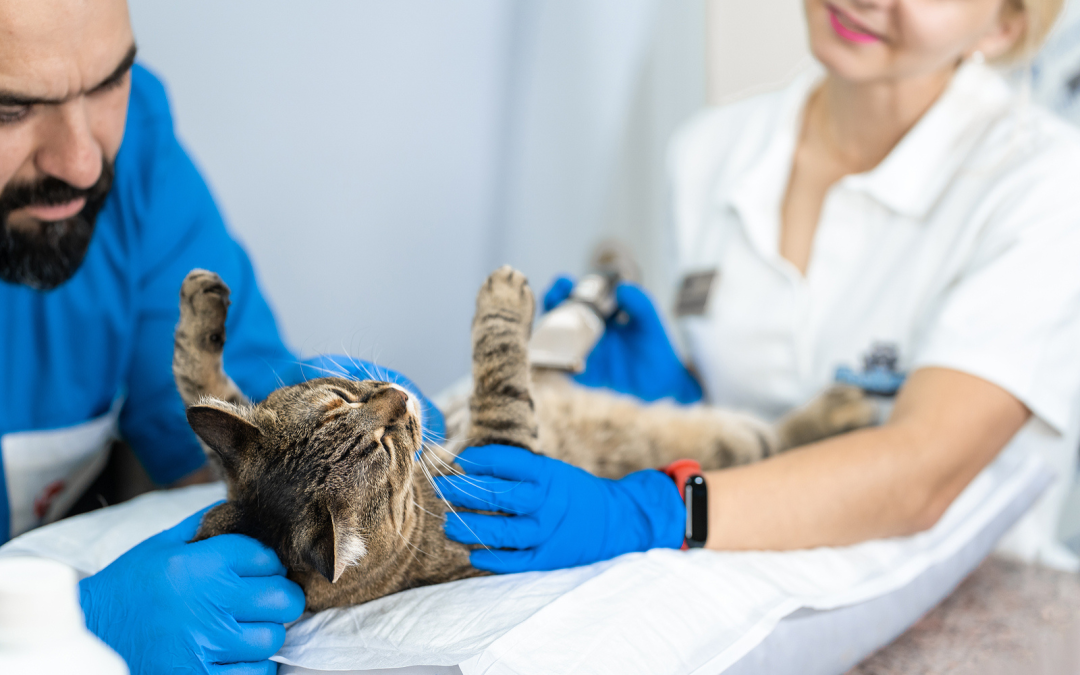
Veterinary Internal Medicine focuses on diagnosing and treating complex or chronic diseases affecting a pet’s internal organs — including the kidneys, liver, heart, lungs, gastrointestinal tract, immune system, and endocrine (hormonal) system. Internists use advanced diagnostics — such as ultrasound, CT, and endoscopy — to evaluate multi-system diseases that may be difficult to diagnose in a general practice setting. These specialists complete several years of residency training beyond veterinary school and are skilled in performing advanced diagnostic and therapeutic procedures.
Common procedures performed by Internal Medicine specialists include:
Advanced Diagnostic Procedures
Endoscopy:
A thin, flexible camera (endoscope) is passed into the body to visualize internal structures such as the gastrointestinal tract, airways, or nasal passages. Endoscopy allows veterinarians to:
- Collect biopsies
- Diagnose inflammation, infection, or tumors
- Retrieve foreign objects
This minimally invasive approach typically results in less pain and faster recovery compared to traditional surgery.
Colonoscopy:
Uses an endoscope to examine the large intestine (colon) to investigate:
- Chronic diarrhea
- Blood in the stool
- Masses or polyps
The procedure allows visual evaluation of the colon lining and collection of biopsies to guide diagnosis and treatment.
Bronchoscopy:
A scope is passed through the mouth and into the airways (larynx, trachea, bronchi) to evaluate:
- Chronic coughing
- Recurrent respiratory infections
- Suspected tumors
- Airway collapse or foreign material
Mild coughing may occur for a few days afterward, and activity restriction is often recommended during recovery. Bronchoscopy may also be used to remove airway foreign bodies.
Cystoscopy:
A minimally invasive procedure used to visualize the urethra and bladder. It is used to diagnose and sometimes treat:
- Recurrent urinary tract infections
- Bladder stones
- Tumors or abnormalities
- Urinary incontinence or obstructions
Biopsies may be collected, and select stones or blockages can be treated during the procedure.
Esophagoscopy:
A scope is used to examine the esophagus to diagnose:
- Foreign bodies
- Inflammation
- Strictures (narrowing)
- Tumors or ulcers
Gastroduodenoscopy:
Evaluates the esophagus, stomach, and upper small intestine (duodenum) to investigate:
- Chronic vomiting or diarrhea
- Suspected inflammatory bowel disease (IBD)
- Gastrointestinal bleeding
- Foreign body ingestion
Biopsies can be collected without the need for surgical exploration.
Rhinoscopy:
A minimally invasive scope procedure used to examine the nasal passages and sinuses. It is commonly used to diagnose:
- Fungal infections
- Chronic nasal inflammation
- Foreign objects
- Nasal tumors
This procedure is often performed alongside CT imaging for a more complete assessment.
Autoimmune & Immune-Mediated Diseases
IMHA — Immune-Mediated Hemolytic Anemia:
The immune system destroys the body’s own red blood cells, leading to:
- Weakness and lethargy
- Pale or yellow (jaundiced) gums
- Rapid breathing or collapse
Treatment commonly includes immunosuppressive medications and, when needed, blood transfusions.
IMTP — Immune-Mediated Thrombocytopenia:
The immune system attacks platelets, which are essential for clotting. This may cause:
- Bruising or petechiae
- Nosebleeds or bleeding gums
- Internal bleeding in severe cases
Other causes (infection, cancer, toxins) must be ruled out. Immunosuppressive medications are typically used to stop platelet destruction.
Immune-Mediated Polyarthropathy (IMPA):
Affects multiple joints, leading to:
- Lameness
- Stiffness
- Reluctance to move
- Joint pain and swelling
It may occur as a primary immune-mediated condition or secondary to infection, cancer, or tick-borne disease.
Infectious & Inflammatory Diseases
Pneumonia:
Inflammation of the lungs caused by:
- Bacteria
- Viruses
- Fungi
- Parasites
- Aspiration of food or fluid
Common signs include coughing, fever, lethargy, appetite loss, and difficulty breathing. Diagnosis often involves chest X-rays and bloodwork, with treatment focused on supportive care and targeted medications.
Hepatitis:
Inflammation of the liver, which can occur from infections, toxins, or immune-mediated causes. Signs range from mild to severe and may include:
- Fever and lethargy
- Vomiting
- Jaundice
- Clotting abnormalities or organ failure in severe cases
Treatment is tailored to the underlying cause and usually includes supportive liver care.
Cholangiohepatitis:
Inflammation of the bile ducts and liver, most commonly seen in cats but also occurring in dogs. Signs may include:
- Decreased appetite
- Vomiting
- Jaundice
- Lethargy
Treatment may include antibiotics, anti-inflammatory medications, supportive care, and bile-protective medications such as ursodiol when appropriate.
Kidney Disease
Acute Kidney Injury (AKI):
Develops suddenly — often due to toxins, infections, or reduced blood flow — and may improve with aggressive treatment.
Chronic Kidney Disease (CKD):
Progresses over months to years and is more common in older pets. It is irreversible but can be managed long-term.
Shared symptoms may include:
- Increased thirst and urination
- Nausea or vomiting
- Weight loss
- Lethargy
Management depends on severity and underlying cause.
Gallbladder Disease
Gallbladder Mucocele:
An abnormal accumulation of thick mucus within the gallbladder. Commonly diagnosed via ultrasound and may require emergency surgical removal (cholecystectomy).
Gallstones (Choleliths):
Hard mineral deposits in the gallbladder that may cause:
- Vomiting
- Abdominal pain
- Jaundice
- Reduced appetite — though some pets show no symptoms
Treatment ranges from medical monitoring to surgical removal in severe cases.
Endocrine (Hormonal) Disorders
Addison’s Disease vs. Cushing’s Disease
Addison’s Disease (hypoadrenocorticism):
Inadequate adrenal hormone production causing:
- Weakness or collapse
- Vomiting or diarrhea
- Low sodium / high potassium levels
Requires lifelong hormone replacement.
Cushing’s Disease (hyperadrenocorticism):
Excess cortisol production causing:
- Excessive drinking and urination
- Increased appetite
- Thinning hair or skin
- “Pot-bellied” appearance
Managed with medication or, in select cases, surgery. Over-treatment can cause an Addisonian-type crisis, so monitoring is essential.
Diabetes Mellitus vs. Diabetes Insipidus
Diabetes mellitus:
Related to insulin and blood sugar regulation; causes:
- Increased appetite
- Weight loss
- Increased thirst and urination
Diabetes insipidus:
A rare disorder involving water balance and antidiuretic hormone (ADH); causes:
- Extreme thirst
- Production of very dilute urine
- Risk of dehydration
Bloodwork and urine testing help differentiate these conditions.
Respiratory Disease Management
Treatment varies by condition but often includes:
- Oxygen therapy
- Anti-inflammatory or antibiotic medications
- Inhaled therapies for chronic airway disease
- Fluid support and airway stabilization
- Management of underlying conditions (allergies, heart disease, infection)