
Platelet-Rich Plasma (PRP) therapy is a non-surgical, regenerative treatment that uses a concentrated portion of a pet’s own blood to promote healing, reduce inflammation, and manage chronic pain.
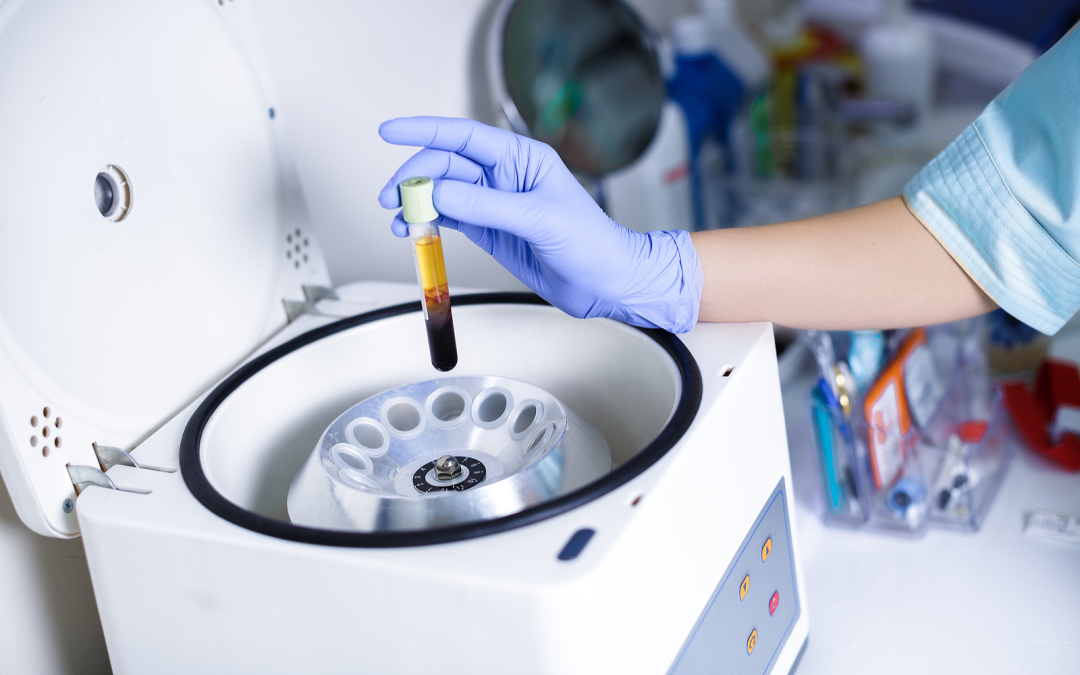
The process begins by collecting a small blood sample from the patient. The sample is then placed in a centrifuge, which spins the blood to separate and concentrate the platelets and plasma. This platelet-rich plasma—containing growth factors and healing proteins—is then injected directly into the affected area, such as a joint, tendon, or ligament.
Because PRP therapy for pets is a relatively advanced regenerative treatment, it is more commonly performed at specialty or referral practices rather than general veterinary clinics.
Conditions PRP Is Used to Treat
PRP therapy is most often recommended for:
- Elbow or hip dysplasia (osteoarthritis)
- Tendon injuries
- Ligament tears
- Muscle injuries
- Certain wounds requiring enhanced healing
Many pet owners choose PRP as a more natural alternative to long-term medications or steroid injections. Since the treatment uses the pet’s own blood, the risk of allergic reaction or rejection is minimal.
Potential side effects are generally mild and may include:
- Temporary soreness at the injection site
- Mild swelling or inflammation
- Minor bleeding
- Joint stiffness for 24–72 hours following treatment
Some pets experience short-term discomfort after the injection due to the body’s natural inflammatory response, which is part of the healing process.
Effectiveness
Studies and clinical experience suggest a high success rate for appropriately selected patients. One of the major advantages of PRP therapy for pets is its potential to reduce the need for long-term pain medications.
Improvement may take several weeks to become noticeable, as the therapy works by stimulating the body’s natural healing response. Benefits commonly last from six months to two years, depending on the condition being treated and the individual pet’s response.
We can help determine whether PRP therapy is an appropriate option based on your pet’s diagnosis, overall health, and treatment goals.