
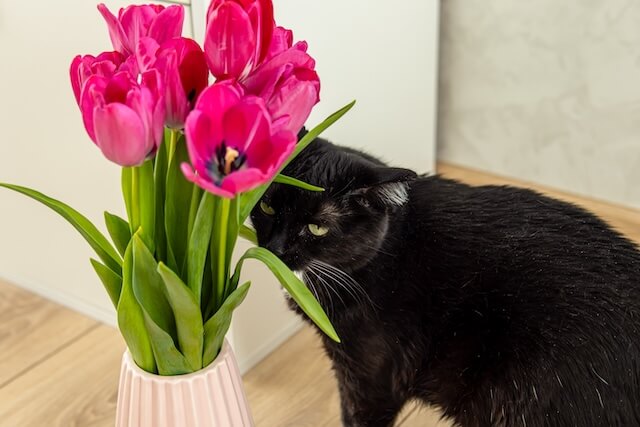
Spring brings warmer weather, longer days, blooming gardens, and endless outdoor adventures for you and your pet. While this season offers plenty to enjoy, it also introduces a variety of hidden hazards — many of which can be toxic to pets.
Below is a helpful overview of common springtime foods, plants, and household chemicals that can pose serious risks. If you suspect your pet has ingested something harmful, contact the ASPCA Animal Poison Control Center immediately at (888) 426-4435.
Plant Life and Garden Hazards
Lilies
Lilies are among the most dangerous plants for pets — especially cats. Even minimal exposure in cats can lead to acute kidney failure and can be fatal without rapid treatment. In dogs, lilies may cause gastrointestinal irritation but should still be avoided.
Treatment for lily exposure often includes aggressive IV fluid therapy, frequent monitoring of kidney and liver values, and, in severe cases, peritoneal dialysis or hemodialysis to help remove toxins from the body. Both true lilies and daylilies are considered highly toxic.
Hyacinths, Tulips, and Irises
These spring favorites can cause significant toxicity when ingested, particularly their bulbs (rhizomes), which contain the highest concentration of toxins.
Common symptoms include:
- Excessive drooling
- Vomiting
- Lethargy
- Tremors
- Diarrhea (sometimes bloody)
There is no specific antidote. Treatment focuses on decontamination — such as inducing vomiting or administering activated charcoal — along with IV fluids and supportive care.
Crocus
There are two varieties of crocus, and both pose risks:
- Spring Crocus: Causes mild to moderate gastrointestinal upset, including vomiting, diarrhea, and drooling.
- Autumn Crocus (Colchicum autumnale): Far more dangerous, potentially causing severe GI bleeding, liver and kidney damage, bone marrow suppression, neurological symptoms (including seizures), respiratory failure, and even death.
Treatment is typically supportive and may include induced vomiting and activated charcoal, depending on timing and severity.
Daffodils
Daffodils are another common spring plant to avoid. The bulbs are especially toxic and can cause vomiting, diarrhea, drooling, low blood pressure, and — in severe cases — seizures in both cats and dogs.
Treatment focuses on decontamination and supportive care to manage gastrointestinal symptoms and potential cardiac effects caused by the toxin lycorine.
Shamrocks
Shamrocks are less commonly ingested due to their bitter taste, but they can still pose a risk. Ingestion may cause a drop in calcium levels and, in rare cases, acute kidney failure.
Pets that frequently eat grass or have access to shamrocks in the yard may be at higher risk.
Fertilizers
Many fertilizers contain chemicals that are unsafe for pets. Ingestion can cause vomiting, diarrhea, weakness, and hind-limb stiffness.
There is no antidote for fertilizer toxicity. Treatment includes inducing vomiting, administering activated charcoal, and providing IV fluids to manage dehydration and systemic effects.
Insecticides
Insecticides are highly toxic and should always be kept out of reach. Exposure can lead to:
- Excessive drooling
- Vomiting and diarrhea
- Seizures
- Respiratory distress
- Collapse or death in severe cases
Treatment may include bathing (for topical exposure), IV fluids, medications to manage heart rate and seizures, and close monitoring. Long-term exposure may increase the risk of cancers such as bladder cancer or lymphoma.
Household Hazards to Watch For
Decorative Items
Spring and holiday décor — such as plastic eggs, fake grass, ribbons, bows, gift wrap, and small decorations — can become dangerous if swallowed. These items may cause gastrointestinal obstruction, sometimes requiring emergency surgery.
Whenever possible, opt for pet-safe alternatives like paper grass or larger, non-breakable decorations.
Cleaning Products
Many household cleaners contain chemicals that are toxic when ingested or inhaled. Symptoms may include vomiting, diarrhea, internal bleeding, tremors, seizures, and organ damage.
Treatment often involves inducing vomiting, IV fluids, anti-nausea and pain medications, and bloodwork to monitor liver and kidney function.
Holiday Candies
Easter and spring candies — such as chocolate, jelly beans, and sugar-free treats — often contain toxic ingredients including cacao, xylitol, gelatin, or high fat and sugar content.
Ingestion can lead to:
- Vomiting and diarrhea
- Lethargy
- Abdominal pain or bloating
- Pancreatitis
- Organ damage or failure in severe cases
Candy wrappers also pose a risk of intestinal blockage. Treatment typically involves inducing vomiting and supportive care to manage nausea and dehydration.
When to Seek Help
If you know or suspect your pet has ingested something they shouldn't have, seek help immediately. Time is critical in toxicity cases.
Ideally, have one person contact the ASPCA Animal Poison Control Center while another transports the pet to the nearest emergency veterinary hospital. Emergency veterinarians require an active poison control case number to consult with on-staff toxicologists and determine the safest, most effective treatment plan.
If you are alone, call poison control as soon as you arrive at the emergency hospital. Hold times can vary, and many toxin exposures are most treatable within the first hour.
Being proactive — and informed — can make all the difference in protecting your pet this spring.