
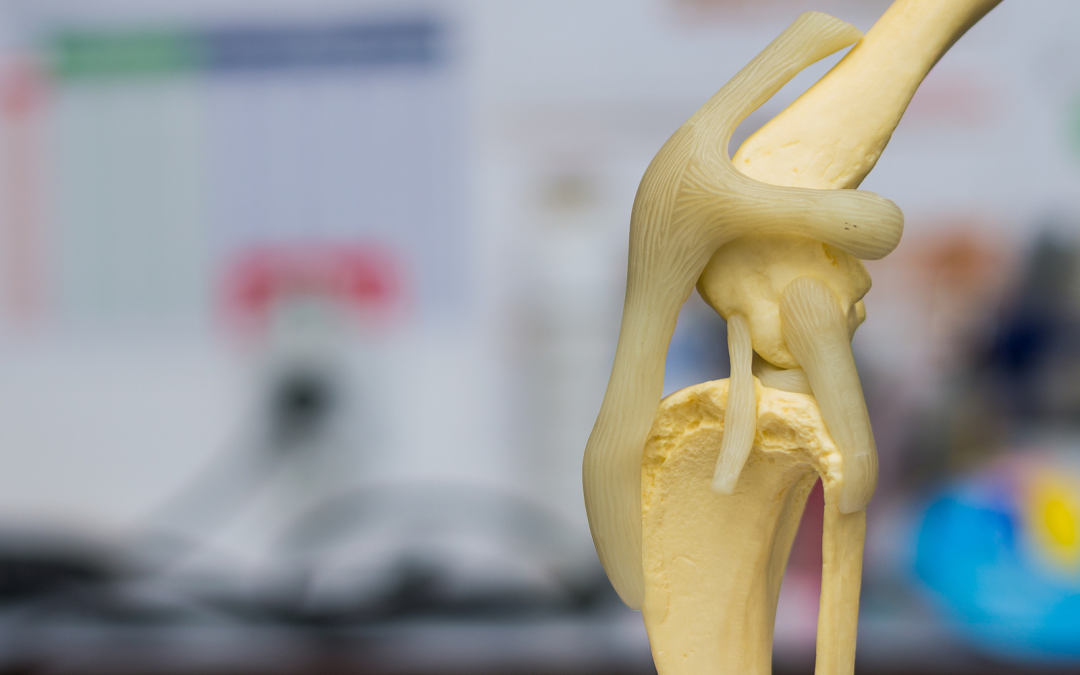
If your dog or cat has been diagnosed with a cruciate ligament injury—not unlike a torn ACL in humans—you may be hearing about a procedure called a TPLO (Tibial Plateau Leveling Osteotomy). While learning that your pet needs knee surgery can be stressful, understanding what a TPLO procedure is and why it is recommended can help you feel confident moving forward.
Why is TPLO recommended?
For pets with cruciate ligament injury, the knee becomes unstable. Over time, this instability leads to pain, inflammation, cartilage damage, and arthritis. In many cases, the best way to restore comfort and mobility is through surgical stabilization.
A TPLO procedure is considered the most reliable and successful technique for stabilizing this type of knee injury. Nearly 80% of ACVS (board-certified veterinary surgeons) choose TPLO as their preferred surgical approach because it consistently provides excellent long-term results.
Whether your pet has a full tear or even a suspected partial tear of the ligament, TPLO often prevents worsening damage and helps pets return to normal function more quickly.
What is a partial tear, and why does it matter?
A cruciate tear is sometimes incomplete at first. With a partial tear, you may notice:
- Intermittent limping, especially after exercise
- Pain when the knee is fully stretched
- Subtle swelling of the joint (may not be present in all cases)
- Thickening along the inside of the knee
Even though a partially torn ligament may seem “stable” at times, these injuries almost always worsen without treatment. Most partial tears eventually progress to full tears, causing more pain and long-term arthritis. TPLO procedure is commonly recommended early to prevent that decline.
What actually happens that warrants a TPLO procedure?
When the cruciate ligament is damaged, the shin bone (tibia) tends to slide forward, causing discomfort and joint damage. TPLO works by changing the angle of the top of the tibia so that the joint naturally remains stable—without having to rely on that injured ligament. This involves making a semicircular cut through the top of the tibia and using a bone plate to allow the tibia to heal.
In simple terms:
TPLO changes the mechanics of the knee so that it stops moving abnormally, allowing your pet to use the leg comfortably again. Although TPLO is considered an advanced procedure, experienced surgeons perform it regularly with excellent results.
What results can you expect?
Most pets begin using their leg again within a couple of weeks after surgery, and full function typically returns within a few months by adhering to the surgeon’s aftercare instructions strictly. In uncomplicated cases:
- Bone healing takes about 2 months
- Strength and function continue improving for another 1–2 months
- After 4 months, long-term movement should be comparable to their normal, pre-injury activity
Many pets return to near normal activity within a few months, and live pain-free once recovery is complete somewhere around the 6 month mark.
Why choose TPLO over other options?
Other surgical methods exist, but research consistently shows that TPLO provides the strongest and most predictable stability for medium and large breed dogs. Many surgeons also prefer it for smaller dogs and even cats, and smaller patients often do exceptionally well after surgery.
Without surgery, pets usually continue to experience:
- Ongoing pain
- Inflammation
- Joint deterioration
- Worsening arthritis
For most dogs, and often cats, conservative (non-surgical) management does not stop progression of the injury.
Common Concerns
The most common worry is cost—pricing varies significantly depending on your area, surgeon, and hospital setting, with some costing over 10,000 USD. You may also be concerned about how invasive the procedure sounds and what recovery will look like. It is absolutely okay to feel nervous about your pet undergoing surgery.
A few things to keep in mind:
- Experienced surgeons have performed many TPLO procedures, which improves safety and outcomes
- Success rates are typically over 90%
- Complications occur in fewer than 10% of cases
- Most pets are active again much sooner than families expect
Your veterinary team can also share real recovery stories to help you picture life after surgery.
TPLO Pricing and What to Expect Financially
At our hospital, we are now introducing fixed TPLO pricing to provide clarity and predictability when planning your pet’s care when booked with our staff surgeon, Dr. Tong.
Single-Leg TPLO
- $6,000
Double-Leg TPLO (performed sequentially)
- $9,000
In addition to surgery pricing, please note:
- The initial consultation fee is $250
- Post-operative recheck appointments are billed separately
This structure ensures that the surgical cost is fully transparent, allowing you to plan confidently.
What is recovery like?
A typical recovery timeline is 2–4 months.
During this time, your pet:
- Will need restricted activity to protect the healing bone
- Will gradually increase time walking, starting with the absolute bare minimum of exercise with relief walks
- Will be monitored for incision healing and leg use during post-operative follow-up visits with your surgeon
Even though pets often feel better quickly, it is important to follow post-operative instructions closely to protect the surgical repair. Every surgeon may give slightly different guidelines, so your discharge plan may vary based on your pet’s needs.
Your pet CAN get back to living comfortably
A TPLO may sound intimidating, but it is one of the most effective ways to help pets regain normal mobility after cruciate ligament injury. With experienced surgical care and diligent recovery, most animals return to an active, pain-free life. Our team is here to guide you through every step—from diagnosis to recovery—and to help your pet feel like themselves again. If you have questions about TPLO or whether your pet is a good candidate, we are always happy to help. Reach out to our specialty department to request a consultation and learn more about cruciate ligament tears, TPLO, and your pet’s options.